POINT: How America changed after Trump's return
Published in Op Eds


In just 12 months since President Donald Trump returned to the Oval Office, the difference in the country is unmistakable. Americans can feel the change in the tone of public debate. They can see it in the renewed confidence of people who spent four years wondering whether anyone in Washington still spoke their language. They can also hear it every time the president steps in front of a microphone to answer questions without a script, a teleprompter or layers of political filters.
Trump’s greatest first-year achievement is the restoration of free speech as a respected civic value. During the previous administration, Americans were lectured by anonymous bureaucrats, shielded from difficult questions and told that dissent was dangerous. Today, the White House is once again a place of open exchange, with reporters challenging the president and the president responding directly, while citizens are trusted to reach their own conclusions.
Previously, those who questioned official narratives often risked being labeled racist, extremist or worse, while whistleblowers and independent voices were sidelined, canceled or threatened into silence. The chilling effect was real, and many Americans learned that disagreeing publicly could cost them their careers or reputations, often for just believing in traditional conservative values.
Trump understands that media influence flows from its ability to shape the narrative, which is why he has made a habit of confronting distortions head-on and bypassing traditional gatekeepers altogether. Through rallies, direct interviews and alternative platforms, he takes his case straight to the public and treats voters as capable adults rather than passive consumers of curated information.
Many in the legacy media may resent this loss of control, but they are no longer free to advocate while pretending to report. When facts are distorted or stories are framed to mislead, they are now challenged in real time and held accountable by an audience that no longer accepts manufactured narratives. The era when “fake news” went unchallenged has ended, and reporters must either adopt honest reporting or risk exposure for manipulation.
Trump likely spent much of the Biden presidency preparing for this return, reflecting on what he would do differently if given another chance. While some campaign promises are ambitious, including his pledges to resolve the Russia-Ukraine conflict quickly or to bring peace to the Middle East, meaningful progress has been made, and American diplomacy once again projects confidence rather than apology.
That renewed confidence has fueled a resurgence of patriotism. The America First philosophy is not simply a slogan but a reminder that love of country is healthy and unifying. In a single year, the national mood has shifted away from embarrassment about American identity toward pride in shared history and common purpose.
Economic policy has been central to this shift. The One Big Beautiful Bill is already affecting everyday life by cutting taxes on tips and overtime pay, and by driving job growth tied to a fair-trade agenda that finally prioritizes American industry and workers. Middle-class families who felt ignored are again part of the national conversation about growth and opportunity.
Meantime, there has been a renewed focus on the role of government. The creation of DOGE was not intended to dismantle public services but to restore trust by identifying waste and fraud. By pursuing accountability and prosecuting abuse, the administration is reinforcing the idea that government exists to serve citizens rather than itself or other countries.
Public safety has also improved. With the National Guard assisting communities in need, neighborhoods once written off as lost causes are stabilizing. Safety today is not achieved through enforcement alone but through opportunity, because when people have work, dignity and a reason to believe in the future, crime naturally declines.
Resistance from Trump’s opponents has been constant, and the government shutdown illustrated how far some are willing to go to obstruct progress. That tactic failed because Americans recognized it as political sabotage, and it will likely fail again if repeated.
Perhaps the most remarkable change is the return of genuine public debate. Even the most vocal critics of the president are heard, which is exactly how free speech is supposed to work. Bad ideas do not disappear through censorship but through open discussion in which citizens can choose for themselves.
Whether one admires Trump or not, there is no denying that he has reshaped the culture of the presidency, making it more accessible, direct and unapologetic. One year after his return, America is freer, safer and more confident, and it once again feels as though the people, not pundits, are shaping the nation’s future.
____
ABOUT THE WRITER
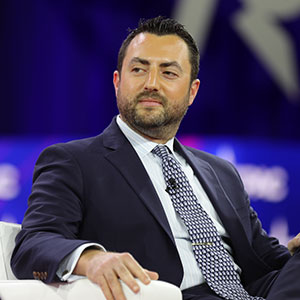
Shaun McCutcheon is a free speech advocate and the founder of Multipolar. He was the successful plaintiff in the 2014 Supreme Court case McCutcheon v. FEC. He wrote this for InsideSources.com.
___
©2026 Tribune Content Agency, LLC







































Comments